Why Investing in Gutter Installation Saves Money Over Time
A lot of homeowners think about gutters only when they overflow in a storm or pull away from the roofline in a visible sag. Until then, they blend into the house, doing an unglamorous job that rarely gets much credit. That is exactly why Gutter Installation gets postponed so often. It feels optional, or at least easy to delay.
In practice, gutters are one of the cheapest forms of water management a home can have. They do not add square footage, and they will never get the attention a kitchen remodel gets, but they protect some of the most expensive parts of a property. Roof edges, fascia boards, siding, landscaping, basement walls, and foundations all benefit when rainwater is collected and carried away in a controlled path. When that path is missing, blocked, or poorly designed, water starts creating costs in quiet ways first and expensive ways later.
The homeowners who save money over time are usually not the ones who wait for obvious damage. They are the ones who treat drainage as preventive maintenance. A well-planned gutter system does not just move water. It reduces repairs, extends the life of exterior materials, lowers maintenance demands, and helps avoid the kind of structural problems that can turn a manageable project into a major expense.
The real cost of unmanaged roof runoff
Rainwater is heavy, and a roof sheds more of it than many people realize. A single inch of rain falling on a 1,000 square foot roof can produce roughly 600 gallons of runoff. On a larger home, or during a hard storm, the volume adds up fast. Without properly installed gutters and downspouts, all that water spills off the roof edge wherever gravity takes it.
That usually means concentrated streams hitting the soil around the house. Over time, those streams carve trenches in flower beds, splash mud onto siding, and soak the ground near the foundation. If the grade around the home is not ideal, and many are not, water can collect where it should not. The result may be damp crawl spaces, basement seepage, cracked walkways, or frost-related movement in colder climates.
I have seen homes where the owner assumed a minor basement moisture issue was just part of owning an older property. The actual problem was simpler. The house had short downspouts, no extensions, and undersized gutters that overflowed during routine storms. Once the drainage path was corrected, the moisture issue dropped sharply. The owner had been preparing for a foundation waterproofing bill in the tens of thousands, when the first and most effective fix was a fraction of that.
This is where the money-saving argument for Gutter Installation becomes strongest. You are not buying metal channels. You are buying control over where water goes.
Foundation repairs cost far more than gutters
Most people understand that water and foundations do not mix well, but the connection often feels abstract until cracks appear. The trouble is that water does not have to flood a basement to cause damage. Repeated saturation near the foundation can lead to soil expansion and contraction, settlement, and pressure against below-grade walls. Clay-heavy soils are especially troublesome because they swell when wet and shrink when dry, creating cycles of movement that stress the structure.
New gutter systems are modest in cost compared to structural work. Prices vary by region, material, roofline complexity, and home size, but a professionally installed gutter system is often in the low thousands for a typical home. Foundation repairs, by contrast, can range from several thousand dollars for crack repair and drainage correction to much higher amounts for underpinning, wall stabilization, or major excavation.
Even when gutters are not the sole factor, they often play a decisive supporting role. A house can have decent construction and still struggle if roof runoff is dumped directly beside the footing year after year. That is why many contractors who inspect foundation issues start outside. They look at grading, downspout discharge, erosion patterns, and signs of overflow. The drainage story around the house often explains the movement inside it.
Siding, trim, and paint last longer with proper protection
Water running off a roof edge does more than soak the ground. It also batters the house itself. If you have ever seen dark streaks on siding, peeling paint near rooflines, or soft fascia behind a failing gutter, you have already seen the cost of poor drainage.
Exterior materials have limits. Wood trim absorbs moisture, then expands, then dries and contracts. Paint loses adhesion. Caulk joints fail sooner. Engineered wood products can deteriorate quickly when repeatedly wetted. Even masonry and fiber cement, both durable materials, can suffer from staining and persistent dampness where runoff is uncontrolled.
The hidden part is often worse than the visible part. Fascia boards sit right behind gutters, so when a system leaks, overflows, or was attached badly from the start, the board can rot slowly for years. By the time the gutter finally falls or separates from the house, the repair is no longer just a reattachment job. Now the trim carpenter and painter are involved too.
That chain reaction is common. A few hundred dollars saved by choosing a bargain installation can turn into several trades coming back later to correct damage. Good Gutter Installation avoids that by focusing on more than appearance. Proper pitch, secure fastening, clean seams, adequate downspout capacity, and correctly placed outlets all matter.
Roof edges are more vulnerable than they look
Roofs are built to shed water, but they depend on adjacent components to finish the job. At the eaves, water should leave the shingles, pass into the gutters cleanly, and travel away from the house. When that handoff fails, trouble starts at the roof edge.
Backflow behind the gutter can wet the roof deck and fascia. In colder areas, poor drainage contributes to ice buildup along eaves, especially when insulation and ventilation are already less than ideal. In heavy rain, undersized or badly sloped gutters can overflow and drench soffits. None of that helps roof longevity.
Homeowners often notice the roofing expense first, because roof replacement is one of the larger routine capital costs on a house. Yet they do not always connect shortened roof life to drainage issues. They should. Protecting the roof is one of the strongest long-term financial arguments for installing and maintaining a proper gutter system.
A gutter system will not fix every roof problem, but it can prevent a good roof from aging harder than necessary.
Landscaping damage adds up quickly
People tend to separate exterior drainage from landscaping, but the budget does not. Every time runoff pours from the roof in the same spots, it disturbs mulch, compacts soil, exposes roots, and erodes planting beds. Delicate foundation plantings often struggle first. Then edging shifts, decorative stone washes out, and muddy channels appear where water has trained itself to flow.
Replacing plants once is frustrating. Replacing them repeatedly is a sign that the drainage plan is failing.
Landscape repairs rarely create the same panic as a basement leak, but they are still real costs. If a homeowner spends a few hundred dollars every season refreshing mulch, replacing shrubs, or repairing washout near entry paths, the cumulative cost over five or ten years becomes meaningful. Gutters and properly directed downspouts often solve the source rather than the symptom.
This matters even more on sloped lots. On those properties, water picks up speed fast. A missing downspout extension at the upper corner of the home can create a surprising amount of erosion below it.
Maintenance costs drop when the system is planned correctly
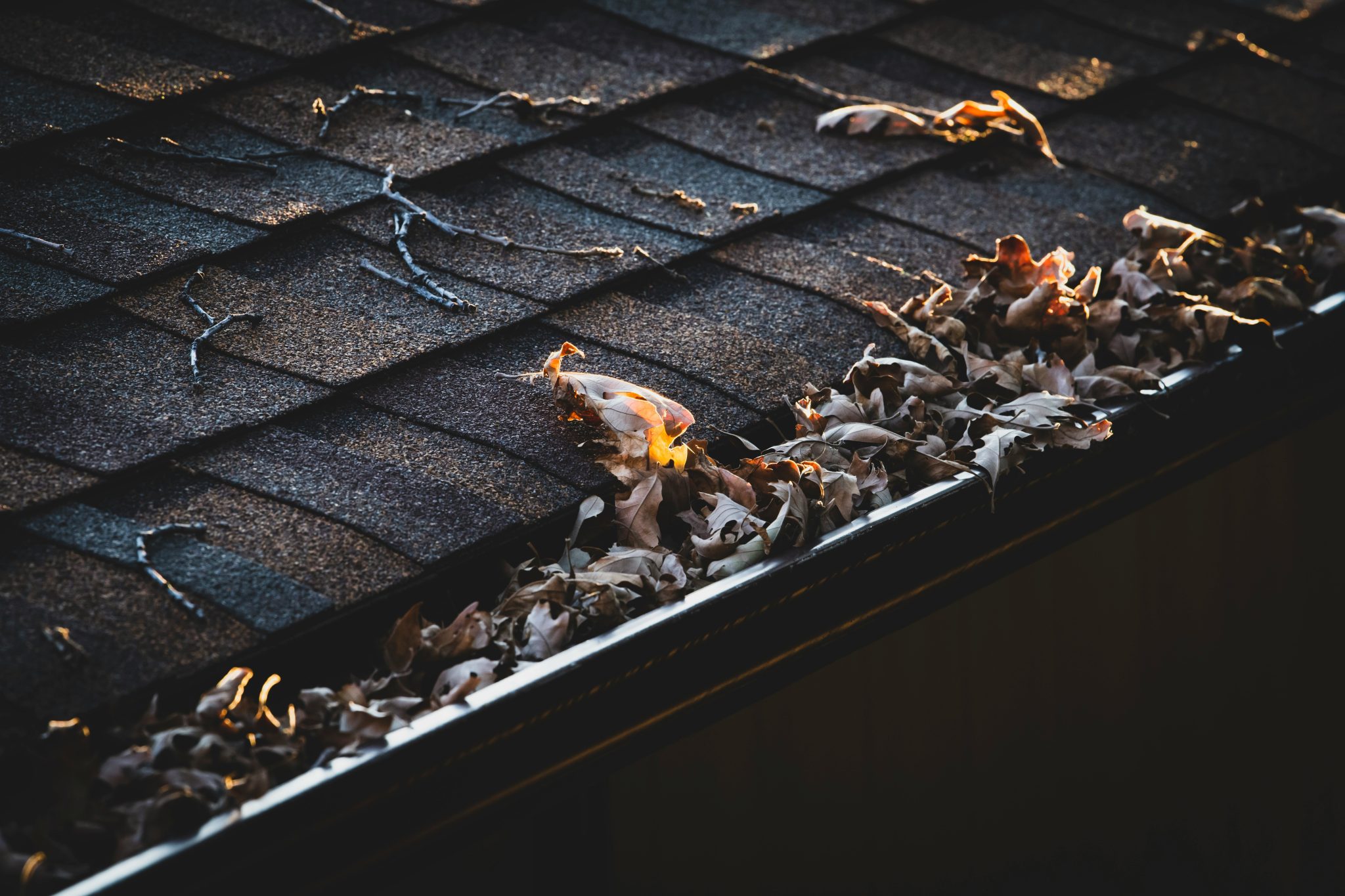
There is a fair criticism that gutters themselves require upkeep. They fill with leaves, shingle grit, and seed pods. They can clog if neglected. They may need cleaning once or twice a year depending on tree cover. Some homeowners hear that and decide they would rather have no gutters at all.
That logic rarely holds up. A system that needs periodic cleaning is still less expensive than dealing with chronic water damage. The smarter question is not whether gutters need maintenance. It is whether they were designed and installed in a way that keeps maintenance reasonable.
Several details influence long-term upkeep:
- properly sized gutters and downspouts reduce overflow
- secure hangers help prevent sagging under debris and water load
- adequate pitch keeps water moving toward outlets
- thoughtful downspout placement improves drainage away from traffic areas
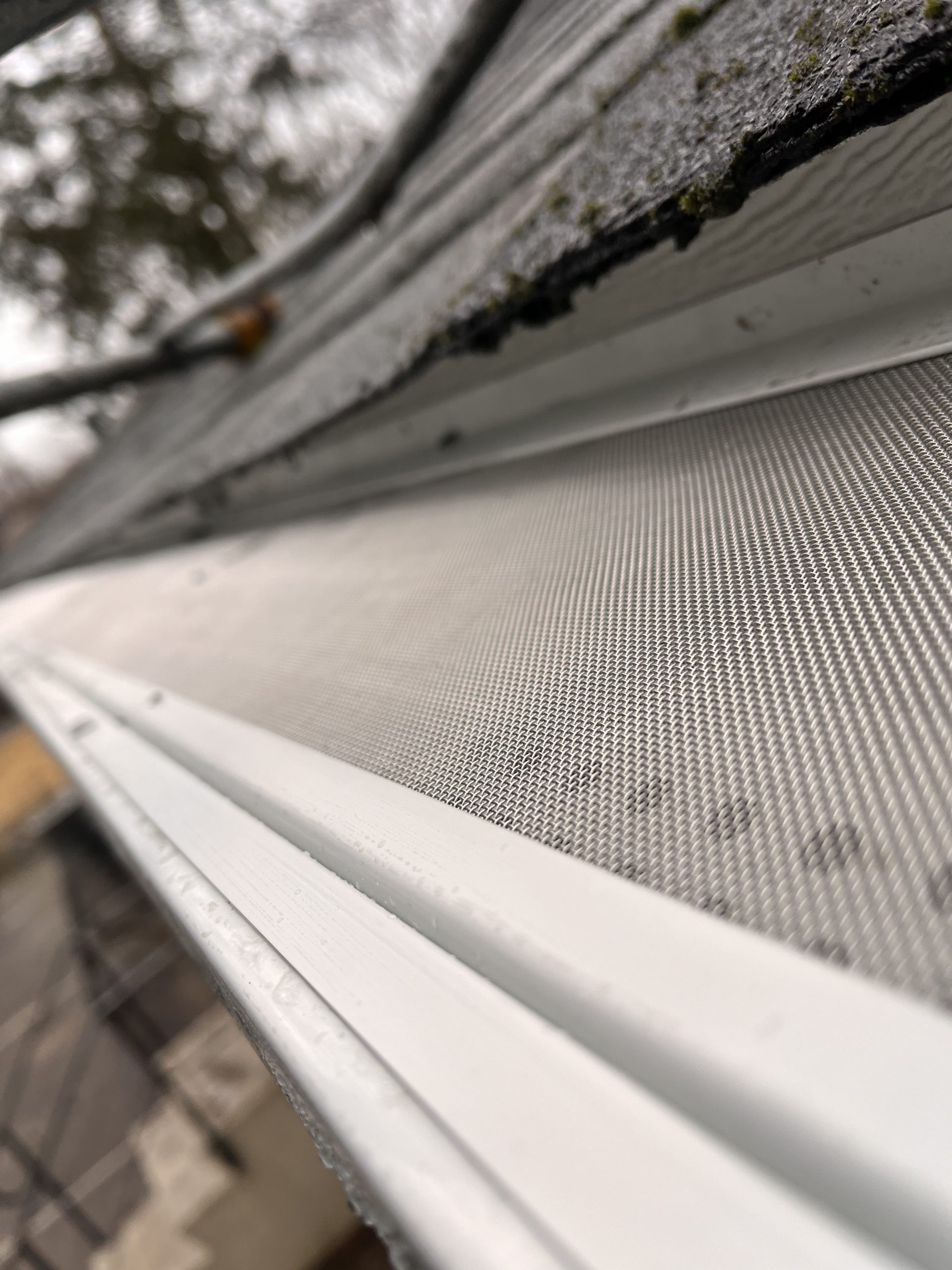
- guards may help in some settings, but only when matched to the tree type and roof condition
Even here, judgment matters. Gutter guards are not a universal answer. On some homes they cut cleaning frequency dramatically. On others, especially where fine debris or pine needles dominate, they can still require periodic service and may create a false sense of security. The best installations are honest about local conditions rather than selling a one-size-fits-all upgrade.
Cheap installation is rarely cheap in the long run
One of the most common financial mistakes is comparing gutter bids only by total price. Homeowners see two proposals for apparently similar systems and assume the lower number is the better deal. Sometimes it is. Often it is not.
The difference can come from material thickness, hanger spacing, outlet count, downspout size, seam quality, corner fabrication, or how carefully the installer accounts for roof valleys and high-flow sections. A long straight run on a simple ranch home is very different from a steep roof with multiple valleys feeding the same eave. If the installer prices both jobs as though they are standard, the second house may end up with a system that looks acceptable on day one and fails during the first major storm.
I have seen front entries where water consistently overshot the gutter because the system had been mounted too low to capture runoff from a steep pitch. I have seen homes with one downspout where two were needed, leading to regular overflow at the middle of the run. Neither problem looked serious when the installation was new. Both became expensive because they kept wetting areas that should have stayed dry.
Professional Gutter Installation earns its value in these details. The savings appear later, which is why they are easy to overlook when the estimate is on the table.
Climate changes the math
Not every home needs the same gutter system. Regional weather changes both design and return on investment.
In areas with frequent heavy rain, capacity matters. Wider gutters and oversized downspouts may be worth the extra cost because they handle peak flow better. In snowy climates, strength and attachment method deserve more attention because ice and snow load can stress the system. In dry regions with occasional intense downpours, homeowners may underestimate drainage needs because the roof is not tested often, then get surprised when one storm causes major splashback or erosion.
Tree cover matters too. A house surrounded by mature oaks presents a different maintenance profile than a home on an open suburban lot. Roof geometry, fascia condition, and site grading also change what makes sense. That is why good installers ask questions that go beyond linear footage.
The right system for the property saves more money than the cheapest system available.
Resale value is not just about curb appeal
New gutters can improve a home’s appearance, especially when old ones are dented, stained, or visibly pulling away. That cosmetic benefit is real, but resale value is more about signaling proper maintenance and avoiding red flags.
Buyers notice water stains, erosion, peeling trim, and damp basement smells. Inspectors notice missing extensions, poor discharge locations, and evidence of overflow. Even when gutters themselves are not a headline issue, they influence how the entire exterior is perceived. A house that manages water well feels cared for. A house with drainage problems invites questions.
Those questions can affect negotiations. A buyer who sees signs of water mismanagement may ask for credits, request further inspection, or simply assume other maintenance has been deferred too. By contrast, a well-installed and well-maintained gutter system supports the broader impression that the property has been protected.
That does not mean new gutters automatically raise sale price dollar for dollar. Home improvements rarely work that way. What they often do is help preserve value, reduce objections, and prevent avoidable repair requests late in the deal.
When gutters make the biggest financial difference
Some homes are more dependent on gutter performance than others. If any of the following conditions apply, the long-term savings tend to be even stronger:
- the home has a basement or crawl space prone to moisture
- the lot slopes toward the house or has marginal grading
- the roof has valleys that concentrate heavy runoff
- the exterior includes wood trim, fascia, or siding vulnerable to moisture
- landscaping or walkways sit directly below roof edges
Even on homes without these risk factors, gutters still matter. They simply matter more when water has easy opportunities to cause collateral damage.
The numbers make sense over time
A straightforward way to look at the investment is to compare one-time installation cost with repeated repair exposure. Suppose a homeowner spends a few thousand dollars on quality Gutter Installation. Over the next decade, that system helps avoid one fascia repair, one round of landscape restoration, a few exterior paint touch-ups, and a recurring basement moisture issue that would otherwise require investigation and mitigation. The financial case is already favorable.
That estimate does not even count the harder-to-measure savings such as less time spent managing washout, fewer service calls during storms, and lower risk of a surprise repair at the wrong moment. Home ownership is full of expenses that feel unavoidable. Good drainage is one of the few areas where a relatively modest investment can shield multiple other systems at once.
A useful way to think about it is through risk concentration. Water touches everything. When you control it at the roof edge, you reduce the chance that one storm event will affect several parts of the property at the same time.
What good installation looks like from a homeowner’s perspective
Most homeowners do not need to master the technical side of gutter design, but they should know what separates a solid job from a superficial one. The best installers do not just measure roof edges and produce a price. They evaluate runoff patterns, roof shape, fascia condition, discharge locations, and how water exits the property after it leaves the downspout.
They also explain trade-offs. Seamless aluminum is popular for good reason because it balances cost, durability, and reduced leak points. Steel may offer strength but can carry different maintenance considerations. Copper lasts well and looks distinctive, though it is priced for a different market. More expensive is not always better, and cheaper is not always smarter.
A trustworthy recommendation usually sounds specific. It addresses why a downspout should https://felixlzjj522.publishlane.com/posts/how-roof-design-influences-gutter-installation-choices move to a different corner, why a larger size makes sense under a valley, or why splash blocks alone are not enough on a certain grade. General assurances are less useful than clear reasoning tied to the property.
The quiet savings are often the most valuable
The strongest home investments are not always the ones you notice every day. Gutters fall into that category. When they are doing their job, very little happens. Water disappears into the system, exits where it should, and leaves the house alone. No dramatic before-and-after reveal, no daily visual payoff, just years of avoided problems.
That quiet performance is exactly where the savings come from. Less rot. Less erosion. Fewer paint failures. Lower moisture risk. Better protection for the roof edge and foundation. More predictable maintenance. Better resale readiness.
Homeowners often spend money reactively because visible damage forces the issue. Gutter Installation works best as a proactive decision, one that prevents larger invoices from arriving later. In the hierarchy of home improvements, it may not be the most exciting line item. It is often one of the more practical ones.
When a system is well designed, properly installed, and matched to the house and climate, it pays for itself not through flash, but through protection. Over time, that is usually the better bargain.
Just Gutters LLC
Address: 262 Main St, Hackettstown, NJ 07840
Phone number: +12013319454
FAQ About Gutter Installation Hackettstown
Can I install a gutter myself?
Yes, you can install gutters yourself. DIYers typically use aluminum or vinyl sections from home improvement stores. The project requires basic tools, precise measuring, and comfort working on ladders. Key steps include snapping a chalk line for a slight slope (1/4 inch per 10 feet toward downspouts), securing hangers every 2 feet, and caulking all joints securely.
How much does body contouring usually cost?
The Home Depot typically charges between $1,000 and $3,600 for a standard professional gutter installation on a typical single-family home with 200 linear feet of gutters. Calculated on a per-foot basis, the cost usually ranges from $5 to $18 per linear foot, highly dependent on the material you select.
How much does a 40 ft seamless gutter cost?
A 40 ft seamless gutter run will cost between $240 and $1,120+ fully installed, depending on the material you choose. Because seamless gutters require specialized on-site fabrication machines, they are rarely sold as DIY kits and are priced per linear foot.